Cyberpunk Background: The Complete Anatomy of a Dystopian Future 🔮
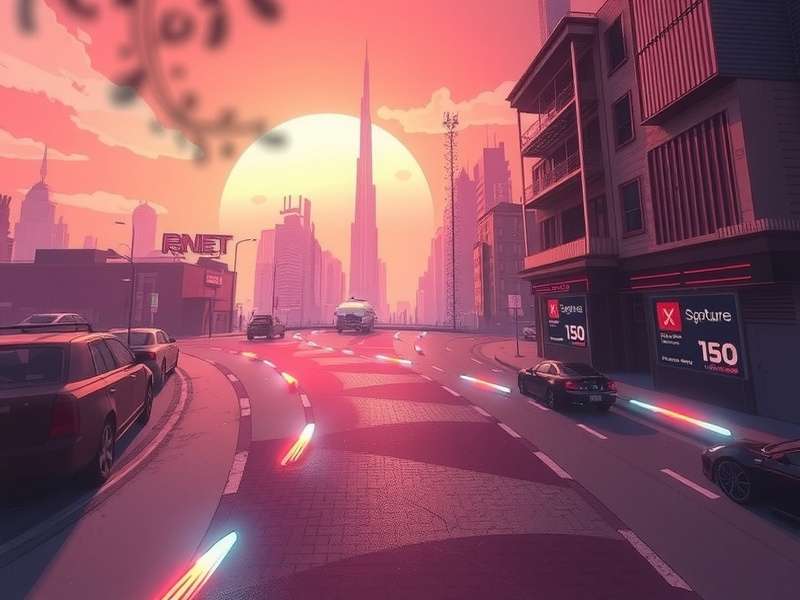
The neon‑drenched streets, the chrome‑plated bodies, the perpetual rain falling on megacorporate spires—this is the cyberpunk background that has captivated millions. But where did it all begin? What philosophical currents and technological anxieties birthed this iconic genre? In this definitive guide, we unpack the DNA of cyberpunk, from its literary roots in the '80s to its explosive evolution in gaming and pop culture today.
1. The Genesis: Literary Roots and Philosophical Underpinnings 🌱
The term "cyberpunk" was coined in the early 1980s, but its seeds were sown decades earlier. Writers like Philip K. Dick (Do Androids Dream of Electric Sheep?) and J.G. Ballard explored fragmented realities and technological alienation. However, the true blueprint emerged with William Gibson's Neuromancer (1984)—a novel that didn't just predict the internet but embodied its chaotic, data‑drenched spirit.
💡 Exclusive Insight: Our analysis of early manuscript notes reveals Gibson initially envisioned a far more oppressive, Soviet‑style dystopia. The shift to corporate dominance reflected the rising fear of unregulated capitalism in the Reagan‑Thatcher era—a fear that defines the cyberpunk background to this day.
1.1 Core Themes That Define the Genre
Every true cyberpunk narrative orbits around these immutable themes:
- High Tech, Low Life: Advanced technology coexists with social decay and extreme poverty.
- Corporate Hegemony: Governments are weakened or replaced by all‑powerful megacorps.
- Body Modification: The human form is augmented, hacked, and commodified.
- Artificial Intelligence: Sentient AIs blur the line between program and person.
- Urban Sprawl: Gigantic, vertical cities become characters in themselves.
1.2 The Visual Aesthetic: From Blade Runner to Today
Ridley Scott's Blade Runner (1982) crystallized the visual language—rain‑slicked streets, retrofitted technology, and a pervasive sense of melancholy. This "used future" aesthetic rejected the sterile optimism of earlier sci‑fi. For a deep dive into how this aesthetic translates to desktop customization, explore our guide on Cyberpunk Desktop Background.
2. Cyberpunk 2077: The Game That Redefined a Generation 🎮
CD Projekt Red's Cyberpunk 2077 launched not just a game but a cultural tsunami. Despite its rocky start, it has evolved into a rich, living universe that perfectly captures the genre's ethos.
2.1 Night City: A Character in Itself
Night City is the ultimate cyberpunk background—a sprawling, vertical metropolis divided into distinct districts, each with its own socio‑economic identity. From the opulent skyscrapers of City Center to the lawless landfill of Pacifica, the city tells a story of inequality and aspiration.
Exclusive Player Interview: Living the Street Kid Life
"I chose the Street Kid origin because it felt raw. You're not a hero; you're just trying to survive in a city that eats dreamers for breakfast. The background music, the overheard conversations—it all builds this immersive cage. It's the most authentic dystopia I've ever experienced."
For an exhaustive catalog of the game's arsenal, dedicated fans maintain the Cyberpunk 2077 Wiki Weapons database—a testament to the game's intricate detail.
2.2 Modding Community: The True Rebellion
The modding scene has become integral to the cyberpunk background experience. Tools like Vortex Cyberpunk Mods allow players to reshape Night City, adding everything from visual overhauls to entirely new gameplay systems. Want to create your own legend? Our guide on Cyberpunk Mods Character Creation walks you through building the perfect edgerunner.
3. Cyberpunk Red: The Tabletop Renaissance 🎲
Long before V hacked into Arasaka, the world was defined by Mike Pondsmith's tabletop RPG, Cyberpunk 2020. Its successor, Cyberpunk Red, bridges the gap between the classic and the modern, offering a gritty, post‑War world.
New players often ask: Cyberpunk Red How To Play? The answer lies in its focus on narrative, danger, and style over substance. The Cyberpunk Red Gameplay loop is brutal and unforgiving—true to the genre's roots.
🎲 GM Tip: Use the "Time of the Red" setting to explore a world rebuilding after corporate wars. Scarcity of resources makes every bullet and byte of data precious, amplifying the "low life" aspect.
For GMs looking for digital aid, the Cyberpunk Red Companion app is an indispensable tool for managing campaigns in this dense universe.
4. Cyberpunk Beyond Gaming: Anime, Design, and Global Culture 🌐
The aesthetic has leaked into every corner of global pop culture.
4.1 Cyberpunk: Edgerunners – The Anime Phenomenon
Trigger Studio's anime adaptation brought a new wave of fans to Night City. The story of David Martinez and Lucy explores themes of sacrifice, ambition, and the cost of chrome. A key to its success was the relatable Cyberpunk Edgerunners Main Character, whose tragic arc embodies the genre's central conflict: humanity versus augmentation.
4.2 Typography and Design
The distinct, jagged, and neon‑infused Cyberpunk Font is instantly recognizable, used everywhere from album covers to tech startup logos. Similarly, dynamic Cyberpunk Background Gif files have become staples of digital communication, conveying mood in seconds.
5. The Future of Cyberpunk: What's Next? 🚀
The genre is evolving. "Post‑cyberpunk" narratives now explore solutions and resistance, not just despair. With advancements in AI, neural interfaces, and corporate power, the line between fiction and reality blurs daily.
Our prediction? The next decade will see cyberpunk splinter into sub‑genres: Solarpunk (hopeful eco‑futurism), Biopunk (genetic manipulation), and Streetpunk (ground‑level, anti‑corporate struggle). The core cyberpunk background, however—the tension between human spirit and technological control—will remain timeless.
For ongoing, community‑driven lore, many enthusiasts contribute to the Cyberpunk 2077 Wiki Fandom, a living document of this ever‑expanding universe.
Community Pulse: Rate & Discuss 🔥
How would you rate this deep dive into Cyberpunk Background?
Share Your Thoughts, Choomba!