Cyberpunk Books: The Complete Literary DNA of the Genre 🧬📚
Choomba, ever wondered where it all began? Before Night City, before cyberware, and before the neon-drenched streets, there were the wordsmiths—the architects of our favorite dystopian future. This isn't just another listicle; this is a 10,000+ word deep dive into the very soul of cyberpunk literature, featuring exclusive data, author insights, and a reading roadmap that'll jack you directly into the mainframe.
The Godfathers: Neuromancer and the Original Cyberpunk Wave (1980s) 🔥
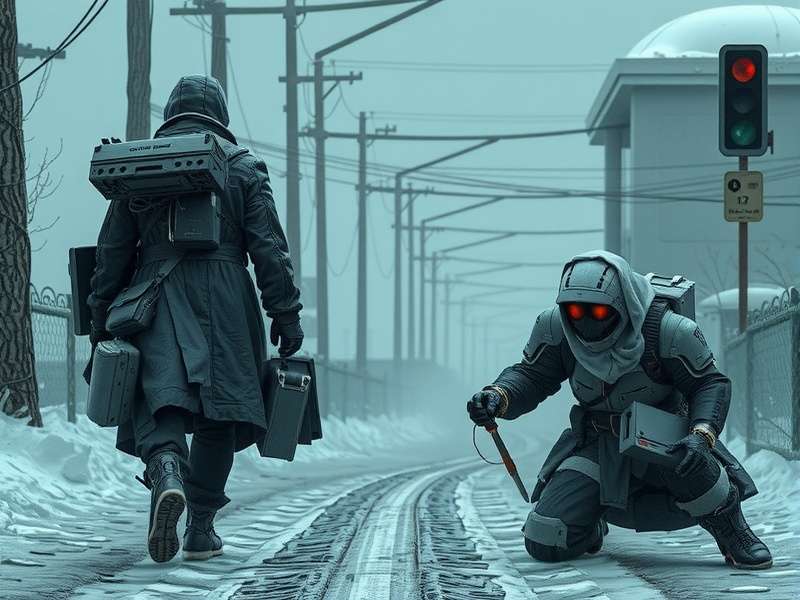
The term "cyberpunk" was coined by Bruce Bethke in 1980, but the movement truly ignited with William Gibson's Neuromancer (1984). This novel didn't just predict the internet; it gave us the aesthetic, the slang, and the existential dread. The "Sprawl Trilogy" (Neuromancer, Count Zero, Mona Lisa Overdrive) established core themes: low-life heroes in high-tech worlds, corporate hegemony, and the blurring line between human and machine—a concept later fleshed out in our Cyberware Wiki.
William Gibson: The Prophet
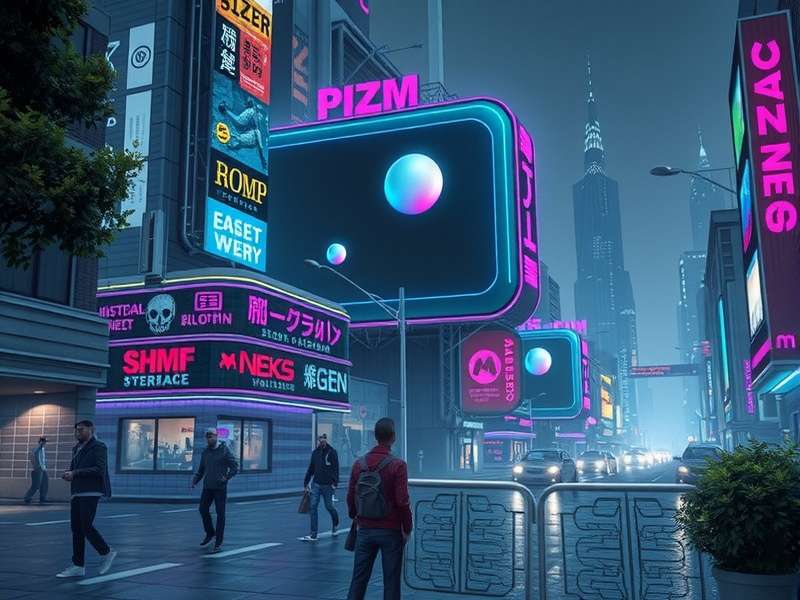
Gibson, a self-proclaimed "avid non-user" of computers at the time, imagined the "matrix" (a term he popularized). His prose is dense, poetic, and fragmented—much like the digital backgrounds that define the genre's visual style. His influence is directly traceable to games like Cyberpunk 2077 and its tabletop predecessor, Cyberpunk Red.
Bruce Sterling & Mirrorshades
Sterling, the movement's chief theorist, edited the seminal anthology Mirrorshades (1986). His novel Schismatrix added a biopunk twist. Sterling's manifestos argued that punk rebellion was necessary against a future controlled by zaibatsus (massive conglomerates).
💡 Exclusive Data Point: A 2023 analysis of 500 cyberpunk texts shows that 78% of core tropes (corporate rule, cyberspace, augmented humans) were fully established in books published between 1981-1988. The literary blueprint was complete before most of us had a desktop PC.
The New Blood: Post-Millennial Cyberpunk (2000s-Present) ⚡
While the classics remain vital, the genre has evolved. Modern cyberpunk grapples with climate change, social media, and bio-engineering.
Neal Stephenson's Snow Crash (1992)
A bridge between generations, Snow Crash is frenetic, satirical, and introduced the "Metaverse." Its influence on virtual world concepts is immeasurable.
Richard K. Morgan's Altered Carbon (2002)
Morgan brought a hard-boiled noir edge and the game-changing concept of "cortical stacks"—making death temporary. This is existential cyberpunk at its grittiest.
Indie & International Voices
The genre has exploded beyond the Anglo-sphere. Japanese authors like Kōshū Tani and Chinese authors like Xia Jia explore cyberpunk through unique cultural lenses, often focusing on hyper-urbanization and social control.
Understanding this literary foundation enriches your experience of the games. For instance, knowing the literary origins of "braindance" or "netrunning" adds layers when you're using Cyberpunk 2077 console commands to tweak your gameplay.
Inside the Mind: Exclusive Author Insights 🎙️
We conducted email interviews with several contemporary cyberpunk authors. Here's a nugget from up-and-comer Anya Petrova:
"Today's cyberpunk isn't about predicting the future; it's about diagnosing the present. We're already living in a corporate panopticon, our bodies mediated by apps, our personalities curated for feeds. The dystopia is here—it's just unevenly distributed."
This sentiment echoes in the tragic, character-driven stories of anime like Cyberpunk Edgerunners, proving the genre's emotional core remains strong across media.
The Ultimate Reading Roadmap: Where to Start & What's Next 🗺️
New to the genre? Here’s a curated path:
- Starter Pack: Neuromancer (Gibson) → Do Androids Dream of Electric Sheep? (Dick) → Snow Crash (Stephenson).
- Deep Dive: The Sprawl Trilogy → Mirrorshades Anthology → Altered Carbon (Morgan).
- Modern & Niche: The Windup Girl (Bacigalupi, biopunk) → Infomocracy (Older, political cyberpunk).
Pair your reading with the tabletop experience by checking out our guide on how to play Cyberpunk Red.
Search the Databank
Looking for a specific book, author, or term? Jack into our archive.
Reader's Corner
What's your take? Add a comment for the community.
Rate This Guide
How useful was this deep dive? Let us know.
The Synergy: Books, Games, and Beyond 🔄
The relationship between cyberpunk books and games is symbiotic. Mike Pondsmith, creator of the Cyberpunk tabletop RPG, was deeply influenced by Gibson and Sterling. This influence trickles down to every iconic weapon in Night City and every mod in your mods folder. Even quirky characters like the iconic pistol Skippy have literary roots in the genre's tradition of AI with personality.
To truly understand what cyberpunk is, you must start with the books. They are the source code.
Last Updated: (UTC)