Cyberpunk Meaning: Deconstructing the High-Tech, Low-Life Dystopia 🌀
What exactly is Cyberpunk? Beyond the neon lights and chrome implants lies a profound cultural movement, a warning, and a mirror to our accelerating technological reality. This definitive guide unpacks the true meaning of Cyberpunk.
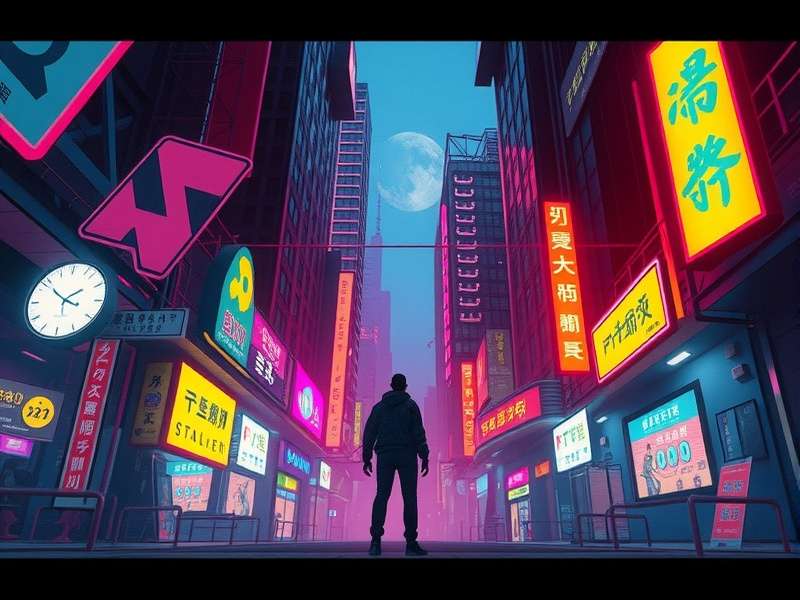
The archetypal Cyberpunk cityscape—a visual shorthand for the genre's core themes. (Concept art)
I. The Core Definition: More Than Just Aesthetic
At its heart, Cyberpunk (a portmanteau of "cybernetics" and "punk") is a subgenre of science fiction set in a lawless, dystopian future where advanced technology—artificial intelligence, cybernetics, megacorporations—coexists with radical social breakdown and decay. The quintessential formula is "High Tech, Low Life." Think sprawling, rain-slicked megacities dominated by monolithic corporate towers, while the masses struggle in overcrowded, polluted streets.
Cyberpunk isn't about the future; it's about the present, amplified and distorted through a lens of extreme technological change and social inequality. It's a critique, a cautionary tale, and sometimes, a rebellious fantasy.
The genre explores the human cost of technological saturation. When your body can be modified with Cyberpunk Wiki Clothes and military-grade implants, what does "human" even mean? When your consciousness can be digitized, where does the self reside? These are the existential questions Cyberpunk relentlessly pursues.
Key Pillars of the Cyberpunk Meaning
- Megacorporate Dominance: Governments are weak or obsolete. Power resides with ruthless, sovereign corporations more influential than nations.
- Cybernetic Enhancement: Body modification is commonplace, blurring the line between human and machine, often creating new social hierarchies.
- Digital Reality: A pervasive, immersive virtual space (the "Net," "Matrix," or "Braindance") is as real and dangerous as the physical world.
- Protagonist as Outsider: The hero is often a hacker, mercenary, or detective—a "punk" operating on the fringes of society, fighting the system.
II. Literary & Cinematic Origins: From Neuromancer to Blade Runner
The term was coined by author Bruce Bethke in 1980, but the movement crystallized with William Gibson's seminal 1984 novel Neuromancer. Gibson didn't just predict the internet; he gave it a cyber-noir atmosphere. Meanwhile, Ridley Scott's Blade Runner (1982) provided the unforgettable visual grammar: perpetual night, neon advertisements in Asian scripts, and a profound sense of melancholy.
These works established the canon. The seedy underbelly of Chiba City in Neuromancer, the existential plight of replicants in Blade Runner—they framed the core conflict: technology advancing faster than humanity's ability to cope with it ethically or socially.
III. Deep Dive: Recurring Themes & Philosophical Questions
A. Identity in a Post-Human World
With characters like the Cyberpunk Edgerunners Main Character David Martinez, who modifies his body to the breaking point, we see the theme of identity crisis. Are you still "you" if 80% of your body is machine? This is explored deeply in the Cyberpunk Edgerunners Anime, where augmentation leads to both power and loss of self.
B. The Illusion of Control & Corporate Dystopia
Cyberpunk worlds are meticulously controlled illusions. The glittering surface hides exploitation. This is evident in games like Cyberpunk 2077, where the Cyberpunk 2077 Wiki details how corps like Arasaka manipulate everything from the economy to human memory.
"The street finds its own uses for things." – William Gibson. This iconic line encapsulates the punk ethos: technology, intended for control, is subverted by the marginalized for liberation or chaos.
C. The Price of Power: Tragedy & Loss
The genre is rarely optimistic. Power comes at a terrible cost. The tragic Cyberpunk Edgerunners Maine Death arc is a prime example—augmentation leading to cyberpsychosis and downfall. This reinforces the central warning: unchecked technological enhancement destroys the soul.
IV. The Gaming Frontier: Interactive Cyberpunk
Video games are perhaps the perfect medium for Cyberpunk, allowing players to inhabit these dystopias. The genre exploded with Cyberpunk 2077 and its rich lore, detailed in our comprehensive wiki. But the roots run deeper with the tabletop RPG Cyberpunk 2020 and its successor, Cyberpunk Red. Fans often seek the Cyberpunk Red PDF and Cyberpunk Red Character Sheet to craft their own stories.
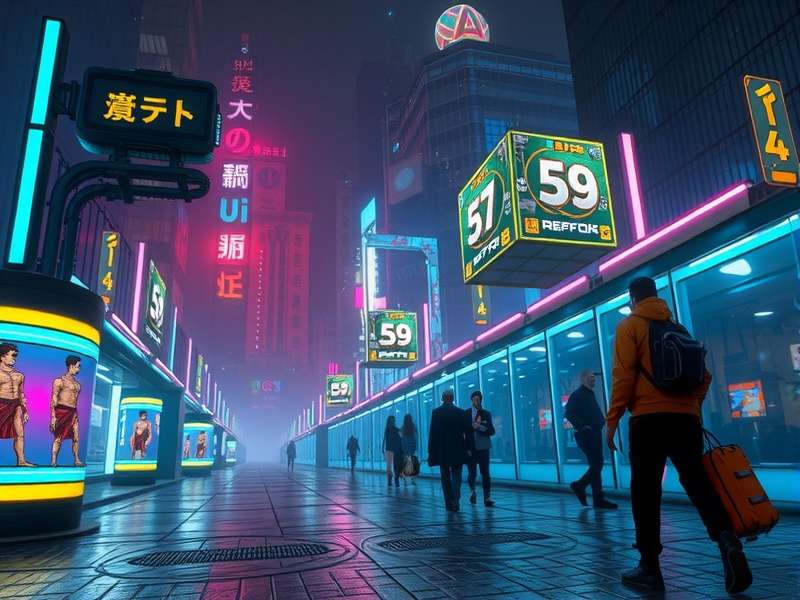
CD Projekt Red's Night City is a masterclass in interactive Cyberpunk world-building.
The modding community is vital, with sites like Cyberpunk Nexus keeping games alive, though sometimes facing issues like the infamous Cyberpunk Mods Executable Has Crashed error. This DIY spirit is pure punk.
Iconography & Style
From Cyberpunk Font styles used in fan projects to the distinctive look of Cyberpunk Characters and even niche hardware like the Cyberpunk Panel Drzazg, the aesthetic is a language itself. It signals rebellion, transhumanism, and a gritty future.
V. The Future of Cyberpunk: Beyond Dystopia?
Is Cyberpunk becoming our reality? With tech giants wielding unprecedented power, AI anxiety, and growing social inequality, the genre feels less like fantasy and more like documentary. The next evolution may be "Solarpunk"—a hopeful, ecological counterpart—but the core Cyberpunk critique remains urgent.
Its meaning evolves. It's no longer just a niche genre; it's a cultural lens through which we examine our relationship with technology, capital, and our own humanity. As long as technology disrupts society, Cyberpunk will be there, holding up a cracked, neon-lit mirror.
Share Your Thoughts, Choomba!
This is a living document. The meaning of Cyberpunk is shaped by its community. Rate this article, share your perspective, or correct our lore!