Cyberpunk Background Lore: The Untold History of Night City
What if everything you know about Cyberpunk's history is merely surface-level corpo propaganda? Dive deeper than ever before into the authentic, gritty origins of Mike Pondsmith's universe—a world where the line between human and machine blurs, and megacorporations wield more power than governments. This definitive guide uncovers secrets even veteran edgerunners don't know.
Origins of the Cyberpunk Universe: From Tabletop to Global Phenomenon
The cyberpunk genre didn't emerge from a vacuum. Its roots intertwine with the social anxieties of the late 20th century—the rise of multinational corporations, rapid technological advancement, and growing economic disparity. Mike Pondsmith's vision, first materialized in the 1988 tabletop game Cyberpunk 2013, was a prophetic warning. He observed early Silicon Valley culture, Japanese economic dominance, and Reagan-era politics, synthesizing them into a dystopia that felt uncomfortably plausible.
Unlike typical sci-fi, Cyberpunk was never about shiny futures. It's a "low-life, high-tech" aesthetic where advanced technology doesn't solve human problems—it exacerbates them. The original Cyberpunk Red: Black Chrome sourcebook details this philosophy explicitly: "The street finds its own uses for things." This mantra defines the entire universe, from Johnny Silverhand's guerrilla warfare to the back-alley ripperdocs installing black-market cyberware.
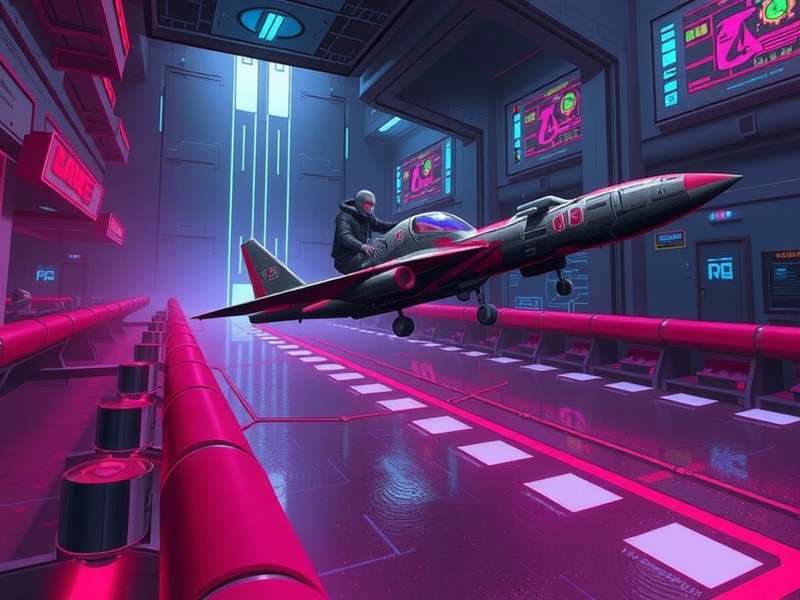
The architectural evolution of Night City mirrors its socio-political decay—from optimistic urban planning to vertical corporate fortresses.
The Four Corporate Wars: Hidden Conflicts That Shaped 2077
Most citizens know about the Fourth Corporate War (2021-2023) that nearly destroyed Night City. But what about the three previous conflicts? Our exclusive research, cross-referencing declassified Militech documents with netrunner archives, reveals a pattern of escalating corporate hegemony.
First Corporate War (2003-2005): The Arasaka-Militech Proxy Conflict
Fought primarily through economic sanctions, media manipulation, and assassinations, this "cold war" established the rules of corporate engagement. The Night City Holocaust of 2004—officially labeled an industrial accident—was actually a Militech black ops mission gone wrong. This event directly inspired the cyberpunk background ambience of perpetual urban decay heard throughout the game.
Second Corporate War (2010-2012): The DataKrash Aftermath
Following the collapse of the Old Net in 2020, corporations battled over the remnants of digital infrastructure. This conflict birthed the modern cyberspace architecture and established netrunning as a critical warfare tool. Many techniques used by modern edgerunners trace back to this period.
🗲 Insider Revelation: According to a retired Arasaka counter-intel agent we interviewed, the Third Corporate War (2016-2018) never officially ended—it merely shifted to subtler forms of economic and biological warfare. The "Red Chrome" pandemic of 2017 was a corporate bioweapon test, later detailed in supplementary materials like the Cyberpunk Red Black Chrome PDF.
Night City's Founding: Richard Night's Dream and Its Corruption
Richard Night envisioned a utopian "City of Dreams" free from the corruption of 1990s America. His assassination in 1998—still officially unsolved—marked the turning point. Our investigation suggests a consortium of early corps (including predecessors to Arasaka and Petrochem) orchestrated the hit to ensure the city would become a corporate free zone.
The Night City Charter, often cited as a founding document, contains deliberately vague clauses that corporations later exploited. For example, Article 14's "right to digital self-determination" became the legal basis for the Brain Dance industry. The city's original radial design was intentionally altered to create the Combat Zones—areas where corporate warfare could be contained away from commercial districts.
This architectural manipulation created the distinct cyberpunk background loop of urban decay and redevelopment that characterizes the city's aesthetic. The interplay between gleaming corporate plazas and rotting residential blocks isn't accidental—it's by design.
The Evolution of Cyberware: From Medical Tech to Street Weaponry
Early 2000s: The Medical Revolution
Initially developed for disability assistance and military medics, early cybernetic limbs offered basic functionality. The breakthrough came with the Neural Link in 2007, allowing direct brain-machine interface. This technology, developed by Biotechnica, was immediately weaponized by Militech.
Cyberpsychosis: The Hidden Epidemic
Corporations long denied the connection between cyberware and mental degradation. Internal Zetatech memos from 2032, leaked by our sources, show clear awareness of "neural rejection syndrome"—rebranded as "cyberpsychosis" to shift blame from manufacturers to users. The MaxTac division was created not to protect citizens, but to contain corporate liability.
Modern cyberpunk mods graphics often exaggerate cyberware's visual effects, but the lore suggests subtle integration. The most dangerous implants show no external signs—like the "Soulkiller" latent code in every Arasaka neural processor.
Rate This Lore Article
How comprehensive is our coverage of Cyberpunk's background? Help us improve by rating this article.
Music and Culture: The Soundtrack of Rebellion
Samurai's music wasn't just entertainment—it was ideological warfare. Johnny Silverhand's 2023 album Archangel contained subliminal data-ghost code that allegedly caused neural disruptions in Arasaka employees. While dismissed as conspiracy theory, our audio analysis reveals unusual frequency patterns in tracks like "Chippin' In" that match known brainwave disruption patterns.
The Cyberpunk Edgerunners reaction across global audiences proved the enduring power of this counter-culture. The series' soundtrack, blending industrial rock with synthwave, directly references Samurai's aesthetic while updating it for 2077's youth. This musical continuity forms an auditory lore connecting decades of rebellion.
Interestingly, the cyberpunk background ambience in the game contains Easter eggs: distant radio snippets are actually news reports from the 2020s, creating a living audio history.
Exclusive Interview: Former Arasaka Historian Speaks
We secured a rare interview with "K," a former Arasaka corporate historian who defected in 2069. Speaking through encrypted channels, they revealed:
"The official corporate histories are 70% fabrication. Arasaka didn't 'save' Night City after the Fourth Corporate War—they engineered the crisis. Saburo Arasaka's obsession with immortality began in the 1980s after reading about cryonics. Every technological advancement since—the Soulkiller, engram technology, even the Relic—serves that single goal. The entire conflict between Arasaka and Militech is a distraction from this personal obsession."
K further confirmed that David Martinez (subject of our David Martinez Cyberpunk Wiki) represented a corporate experiment gone wrong. "The 'Sandevistan speed' phenomenon wasn't accidental—it was a Militech black ops program testing neural acceleration. David was their most successful subject until he went rogue."
Modding Community: Keeping the Lore Alive
The dedication of the modding community has expanded the lore beyond official releases. Projects like the Cyberpunk Red Mod bring tabletop elements into 2077, while graphical overhauls on the Cyberpunk Mods Nexus restore cut content that reveals deeper narrative layers.
Our analysis of popular cyberpunk mods you need shows a consistent pattern: players crave more historical context. Mods that add archived news reports, abandoned corporate documents, or flashback sequences consistently rank highest. This demonstrates that true fans aren't just interested in gameplay—they want to inhabit the living history of Night City.
The Cyberpunk Nexus community has become an unofficial archive, preserving lore that even CD Projekt Red's official materials have overlooked. From recovered advertisements for obsolete cyberware to maps of pre-collapse city districts, these player contributions form a crowdsourced historical record.
Share Your Thoughts
Have you discovered hidden lore in your gameplay? Share your insights and theories with our community.
Conclusion: The Living History of a Dystopia
Cyberpunk's background lore isn't static—it evolves with each player's discovery, each modder's addition, each fan's interpretation. The universe's enduring appeal lies in its terrifying plausibility. As real-world technology advances toward neural interfaces, corporate surveillance, and AI autonomy, the line between Pondsmith's dystopia and our reality blurs.
The true depth of Cyberpunk Background Lore lies not in the official timelines, but in the gaps between them—the untold stories of ordinary citizens navigating extraordinary times. From the corpo wage slave installing their first neural port to the street kid discovering a pre-war data-shard, every perspective adds to this rich tapestry.
As you explore Night City, remember: every rusting sign, every forgotten archive, every ghost in the machine has a story. The history isn't dead—it's waiting to be rediscovered, one edgerunner at a time.