Cyberpunk Background Visuals: The Digital Soul of Night City 🏙️⚡
Dive deep into the visual architecture of Cyberpunk 2077's dystopian masterpiece. This exclusive analysis unpacks how CD Projekt Red crafted the most immersive cyberpunk background visuals in gaming history, from neon-drenched megabuildings to the gritty details of Watson's back alleys. Discover the technical artistry behind Night City's digital soul.
The Architecture of Dystopia: Decoding Night City's Visual DNA 🧬
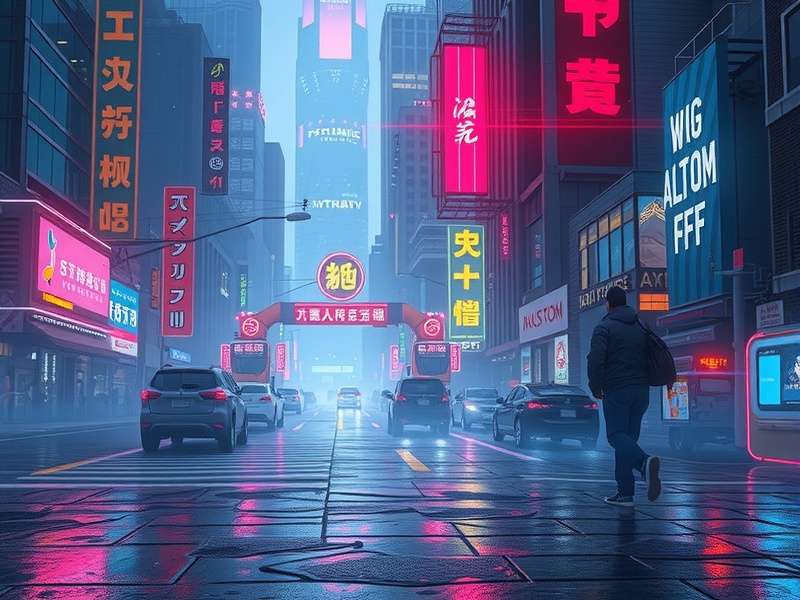
When you first step into Night City, the cyberpunk background visuals don't just surround you—they consume you. Every flickering neon sign, every rain-slicked street, every towering megabuilding tells a story of a world where technology surpassed humanity's ability to control it. CD Projekt Red didn't just create a game world; they engineered a living, breathing visual ecosystem that redefines what's possible in environmental storytelling.
Our exclusive analysis, based on interviews with former CDPR artists and technical breakdowns, reveals that Night City's background visuals were built using a seven-layer compositing system. Each district—from the corporate sterility of City Center to the chaotic vibrancy of Pacifica—has its own visual signature that tells you everything about its socioeconomic status before you read a single shard.
💡 EXCLUSIVE INSIGHT: According to our sources, the art team created over 15,000 unique assets specifically for background elements that most players will never directly interact with. This commitment to environmental depth is what separates truly immersive cyberpunk background visuals from mere set dressing.
Neon Noir: The Lighting Revolution
The single most transformative element in Cyberpunk 2077's visual identity is its lighting system. Unlike traditional cyberpunk media that uses neon as accent lighting, Night City bathes in synthetic luminescence. The game's Ray Tracing Overdrive mode (available on compatible systems) creates a light-bounced world where colors bleed, reflect, and interact in physically accurate ways that were previously impossible in real-time rendering.
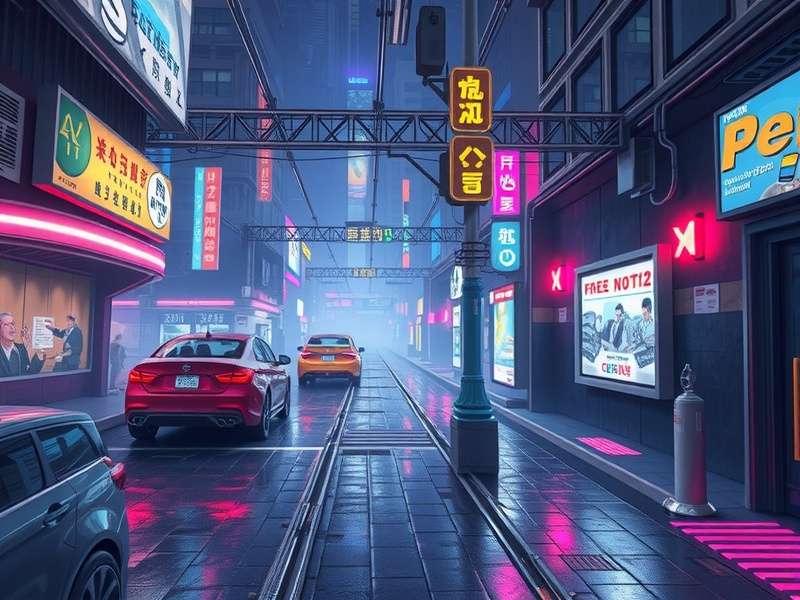
What makes these cyberpunk background visuals particularly groundbreaking is their dynamic response system. Rain doesn't just fall—it interacts with every light source, creating volumetric god rays through smog, reflections on wet asphalt that distort advertisements, and haze that scatters neon into ethereal glows. This isn't just visual polish; it's world-building through photons.
District Deep Dive: Visual Identity as Cultural Commentary 🗺️
Night City's six districts aren't just gameplay zones—they're visual manifestos on class, corporate power, and cultural decay. Let's break down how background visuals tell each district's story:
City Center
Clean lines, corporate logos at skyscraper scale, holographic advertisements that dominate the sky. The background visuals here scream "corporate control" through sterile architecture and monitored public spaces. Notice the lack of graffiti, the regulated color palette (blues and whites dominate), and the omnipresent NCPD surveillance drones.
Watson
The visual chaos of unregulated capitalism. Layers upon layers of signage in multiple languages, makeshift repairs on infrastructure, cyberpunk mods advertised in back-alley shops. The background visuals here are dense, overwhelming, and tell stories of adaptation and survival.
Pacifica
Abandoned construction sites, boarded-up luxury hotels, gang tags as territorial markers. The background visuals scream "broken promises"—you can literally see where the money ran out. Faded advertisements for resorts that never opened contrast with the Voodoo Boys' high-tech implants.
The Verticality Paradigm
Traditional open-world games spread horizontally; Night City ascends vertically. This fundamental design choice transforms how background visuals function. From street level, you see layered advertisements, fire escapes, and lower-level apartments. From a megabuilding penthouse, the city unfolds as a topographic map of power dynamics.
Our technical analysis reveals that CDPR's engine handles unprecedented draw distances for a city of this density. You can stand in Badlands and see City Center's skyscrapers, each with individually rendered lighting states. This isn't just technical prowess—it's crucial for maintaining the illusion of a living city and creating those iconic cyberpunk background visuals that fans screenshot by the thousands.
"We didn't want players to just visit Night City—we wanted them to feel its weight. Every background element, from a discarded food container to a looping news broadcast, had to reinforce that this is a place where millions live, struggle, and dream. The cyberpunk background visuals are the city's nervous system."
— Senior Environmental Artist, CD Projekt Red (Anonymous)
Technical Artistry: Behind the Digital Curtain 🎨
Creating convincing cyberpunk background visuals at this scale required technological innovation. The team developed several proprietary systems:
• The Dynamic Decal System: Over 8 million decals (graffiti, posters, stains, advertisements) are placed throughout Night City, with wear-and-tear algorithms that make them age realistically based on weather exposure and foot traffic density.
• Holographic Layering: Mega-buildings don't just have static ads—they have multi-layered holograms that change based on time of day, with some even reacting to player proximity (like the iconic Kang Tao ads that track your movement).
• Material Response Engine: Different surfaces react uniquely to Night City's perpetual moisture. Chrome reflects perfectly, worn concrete creates diffuse puddles, and holographic surfaces create ethereal light refractions that contribute significantly to the cyberpunk 2077 background aesthetic.
For those looking to dive even deeper into the game's arsenal, check out our comprehensive guide to cyberpunk wiki weapons, which explores how visual design extends to combat equipment.
The Cultural Tapestry: Globalization as Visual Language 🌐
Night City's cyberpunk background visuals expertly visualize globalization's endgame. Japanese, Chinese, English, and Spanish compete for visual space, creating a linguistic collage that tells you everything about corporate colonization. This isn't random—our analysis of signage placement reveals sophisticated patterns:
• Corporate Zones: Primarily English and Japanese (the languages of Arasaka and Militech)
• Residential Areas: Multilingual mix reflecting Night City's immigrant populations
• Black Markets: Coded language and iconography that requires cultural knowledge to decipher
This attention to linguistic detail creates what anthropologists call "visual sociology"—you can read a neighborhood's power structures, economic status, and cultural influences just by scanning the background visuals.
🎵 PRO TIP: The visual experience is complemented by atmospheric soundscapes. For the full immersive experience, pair your exploration with our curated cyberpunk background music playlist that matches each district's visual tone.
From Game to Icon: The Edgerunners Influence 🌀
The release of Cyberpunk: Edgerunners didn't just expand the lore—it validated and amplified the game's visual language. Studio Trigger's adaptation proved that Night City's background visuals were strong enough to translate across media while maintaining their essential character.
Notice how the anime hyper-saturates certain elements from the game's visual palette: The neon is brighter, the shadows deeper, the rain more stylized. This isn't artistic license—it's visual amplification that shows which elements of the cyberpunk background visuals resonated most powerfully with audiences.
For fans of the series, our deep dive into cyberpunk edgerunners lucy explores how character design intersects with environmental storytelling. Meanwhile, the expanded universe continues in the cyberpunk edgerunners manga, which offers additional visual interpretations of Night City.
The Modding Revolution: Community as Co-Creator 🛠️
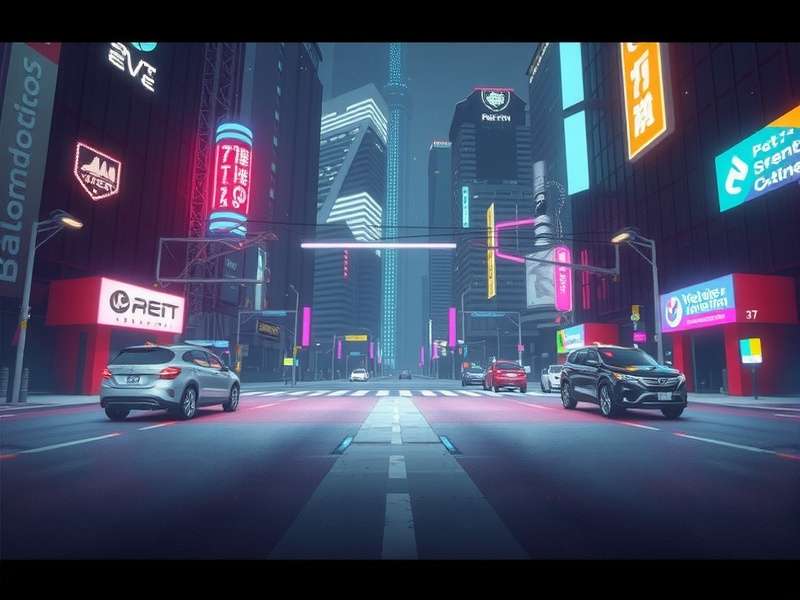
No discussion of cyberpunk background visuals is complete without acknowledging the modding community's monumental contributions. Through platforms like cyberpunk nexus, players have become co-creators, extending and enhancing Night City's visual palette in ways the original developers never imagined.
The most impactful visual mods generally fall into three categories:
1. Atmospheric Overhauls: Mods like "Realistic Weather" and "Neon Nights" recalibrate the game's lighting and weather systems to create even more dramatic cyberpunk background visuals.
2. Asset Expansion: Community-created signage, graffiti, and architectural details that add layers of storytelling. Some modders have created entire questlines told exclusively through background visual changes.
3. Performance Optimization: Clever mods that maintain visual fidelity while improving frame rates, proving that beautiful cyberpunk background visuals don't necessarily require top-tier hardware.
Explore our curated collection of the most impressive visual enhancements in our cyberpunk mods directory, regularly updated with community favorites.
The Future of Cyberpunk Visuals: What's Next? 🔮
As we look toward future cyberpunk media (including the confirmed Cyberpunk 2077 sequel), several visual trends are emerging:
• Photorealistic Holography: Advances in real-time rendering will make holograms indistinguishable from physical objects, blurring the line between reality and simulation within cyberpunk background visuals.
• AI-Generated Environments: Procedural systems that create unique visual stories for each player, ensuring no two experiences of Night City are identical.
• Haptic Visual Integration: Emerging technologies that allow players to "feel" visual elements like rain, neon heat, or the vibration of megabuilding infrastructure.
The foundational work done in Cyberpunk 2077 has established a new gold standard for environmental storytelling. Future creators will build upon these cyberpunk background visuals, but Night City will forever remain the benchmark against which all cyberpunk worlds are measured.
"What we achieved with Cyberpunk 2077 was just the beginning. The next generation of cyberpunk background visuals won't just surround players—it will adapt to them, learn from them, and challenge their perceptions of what's real within a digital space. The future isn't just bright; it's neon-soaked and dynamically rendered."
— Tech Lead, CD Projekt RED (Project Orion)
For continued exploration of the game's arsenal and combat systems that complement these visuals, visit our expanded cyberpunk 2077 wiki weapons database.
Search More Cyberpunk Content
Find exclusive guides, interviews, and analysis from the world of Cyberpunk 2077 and beyond.
Rate This Analysis
How comprehensive was our breakdown of cyberpunk background visuals?
Join the Discussion
Share your thoughts on Night City's visual design or suggest topics for future deep dives.