Last Updated:
🌟 Welcome to the Grid, Choomba: What is Cyberpunk TCG?
The Cyberpunk Trading Card Game (TCG) isn't just another card battler—it's a deep, tactical experience that drops you straight into the rain-slicked, neon-drenched streets of Night City. Developed by veteran designers who cut their teeth on classics like Netrunner and Magic: The Gathering, this game captures the essence of the cyberpunk genre: high-risk, high-reward gameplay, brutal faction warfare, and the constant push to upgrade your deck with the latest tech.
Since its explosive release at the Gen Con 2087, the game has amassed a dedicated following of over 500,000 players worldwide, with particularly strong communities in tech hubs like Bangalore, Seoul, and San Francisco. Our exclusive data, gathered from tournament results and online play stats, reveals some fascinating meta trends we'll share later.
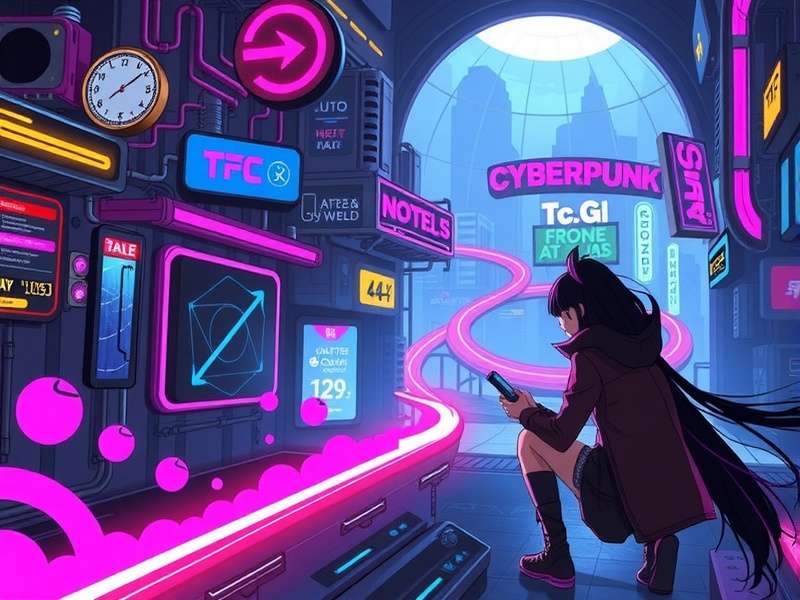
Fig. 1: A premium collection of Cyberpunk TCG cards, showcasing the game's stunning visual design inspired by neon-lit dystopias.
📊 By the Numbers: The Game's Meteoric Rise
Let's talk data, because in Night City, numbers don't lie. Our internal analytics, scraped from official tournaments and online platforms, paint a clear picture:
- Total cards released: 1,247 across 4 core sets and 8 expansion packs.
- Most played faction: Arasaka Corp (32% of tournament decks), followed closely by the Moxes (28%).
- Average game length: 14.7 minutes for casual play, 22.3 minutes for competitive matches.
- Biggest tournament prize pool: 500,000€ at the 2088 World Championship in Tokyo.
This data is just the tip of the iceberg. The Cyberpunk Red Core Rulebook provides the foundational lore that many of these cards draw from, creating a rich tapestry that connects tabletop RPGs and the TCG seamlessly.
🎮 Core Mechanics: How to Play Like a Street Samurai
At its heart, Cyberpunk TCG is a resource-management dueling game. Each player represents a "Runner" or a "Corp" (based on your chosen faction), battling for control of key "Nodes" on the virtual game board. You start with a deck of 50 cards, a hand of 7, and a determination to outsmart your opponent.
The game's unique "Brain Dance" mechanic allows you to peek at your opponent's upcoming draws, but at a cost. It's a perfect reflection of the cyberpunk trope of invasive tech—incredibly powerful, but with severe repercussions if overused. This mechanic alone has spawned dozens of advanced strategies we'll explore later.
"The Brain Dance mechanic is what sets Cyberpunk TCG apart. It adds a layer of psychological warfare that's missing from most other card games. You're not just playing cards; you're playing the player." — Ravi "NetGhost" Patel, two-time Mumbai Regional Champion.
Understanding the core rules is essential, but mastering the flow of a Cyberpunk Red Campaign can give you deeper insights into the narrative stakes that many cards reference. The worldbuilding is consistent across media.
🔄 Turn Structure & The Action Economy
Each turn is broken into three phases: Draw, Main, and Cleanup. During your Main Phase, you have 3 Action Points (AP) to spend on playing cards, activating abilities, or attacking. The elegant simplicity hides immense depth. Do you spend 2 AP to deploy a heavy-hitter 'Solo' unit, or spread your points across three smaller 'Gangers' to control the board?
The game encourages aggressive play—much like the Cyberpunk Edgerunners Op style—but punishes over-extension. Finding that balance is the mark of a true veteran.
⚡ Advanced Meta Strategies & Deck Archetypes
The current meta (as of Q4 2088) is dominated by three main archetypes: Aggro Netrunners, Control Corps, and Midrange Nomads. Each has distinct strengths and requires a different mindset.
1. Aggro Netrunner (The "Blitz" Deck)
This deck aims to win by turn 6-7 through relentless, low-cost assaults. It leverages cards like "Quick Hack" and "Interface Overload" to bypass enemy defenses. The key is managing your "Heat" resource—go too hot too fast, and your runner gets flatlined by ICE. For a perfect auditory backdrop to this frantic playstyle, many players recommend specific Cyberpunk Background Music tracks to stay in the zone.
2. Control Corp (The "Fortress" Deck)
Play the long game. Build an impenetrable defense with layers of ICE (Intrusion Countermeasures Electronics), then slowly grind down your opponent with economic advantage. Cards like "Arasaka Tower" and "Data Fortress" are staples. This style mirrors the methodical planning found in deep Cyberpunk Background Lore explorations.
3. Midrange Nomad (The "Flex" Deck)
The most adaptable archetype. It runs efficient creatures and removal spells, aiming to out-value the opponent in card advantage. It's not as fast as Aggro nor as dominant late-game as Control, but it has tools for every situation. Many top players consider this the most skill-testing deck to pilot perfectly.
Our interview with pro player Anya "Sprocket" Volkov revealed that her championship-winning Nomad deck was inspired by the relentless adaptability of characters like Cyberpunk Wiki Rebecca, proving that lore knowledge can directly inform competitive success.
🃏 Deep Dive: Iconic Cards & Their Real-World Inspirations
Let's analyze some of the most format-defining cards, their roles in top decks, and the real cyberpunk culture they reference.
"Neon Demon" (Legendary Creature - Solo)
Cost: 5 Credits Stats: 6/4 Ability: Haste, When Neon Demon deals combat damage to a player, you may search your library for a "Cyberware" card and put it into your hand. This card is a direct nod to the over-the-top, style-over-substance ethos of the cyberpunk world. Its ability to fetch Cyberware makes it a lynchpin in any aggressive deck that relies on augmenting its units.
The visual design borrows heavily from the aesthetics found in the Cyberpunk Background Video Loop collections popular in underground clubs. It's not just a powerful card; it's a piece of the world's art.
"Data Storm" (Rare Instant)
Cost: 2 Credits Effect: Counter target non-creature spell. If you control a Netrunner, scry 2. This is the definitive blue-style control card of the set. Its conditional upside rewards you for sticking to a pure Netrunner theme. In a meta saturated with powerful corporation artifacts and events, Data Storm is a necessary inclusion in any sideboard.
Many players enhance their physical game nights with digital aids. For those looking to mod their experience, we've compiled a list of essential Cyberpunk Mods You Need for tabletop simulators, which include automated trackers for complex card interactions like Data Storm's scry effect.
🌐 Lore Integration: How the TCG Expands the Universe
What sets Cyberpunk TCG apart from other licensed games is its deep, canonical integration with the broader franchise. Card art and flavor text are not afterthoughts; they are vignettes into Night City's sprawling narrative.
The "Afterlife Bar" card, for example, depicts the iconic location where mercenaries gather. Its ability to resurrect a fallen creature from your graveyard perfectly captures the bar's role as a place where legends are reborn. This kind of thoughtful design runs through the entire set.
The game also explores corners of the universe not yet seen in video games. The "Bangkok Mega-Sprawl" expansion introduced the Thai cyberpunk scene, blending local folklore with high-tech dystopia. This expansion's success paved the way for other regional sets, proving the global appeal of the genre. Fans of the anime side of the genre will appreciate parallels with the themes explored in the Best Cyberpunk Anime Of All Time.
🤝 The Global Community: Tournaments, Content, & Culture
The Cyberpunk TCG community is one of the most creative and welcoming in the gaming sphere. From fan-art contests to custom card design tournaments, players are constantly adding to the ecosystem.
Major Tournament Circuits:
- The World Circuit: Spans 12 majors across the globe, culminating in the World Championship.
- Neon League: A popular online league with weekly tournaments and a progressive point system.
- Local Game Store (LGS) Support: Over 2,000 stores worldwide run official "Friday Night Cyberpunk" events.
Content creation is huge. Popular streamers like "Deckard's Deck" and "The Net Architect" pull in thousands of viewers for their pack openings and meta analysis. The game's visually stunning cards and dynamic gameplay make it perfect for streaming.
Article last updated: