Cyberpunk Background Art: The Visual Soul of Night City 🎨✨
In the neon-drenched sprawl of Night City, every flickering hologram, every rain-slicked alleyway, and every towering megabuilding tells a story. The background art of Cyberpunk 2077 isn't merely scenery—it's the living, breathing embodiment of a dystopian future, a masterclass in environmental storytelling that has redefined digital world-building. This exclusive analysis delves into the visual architecture that makes Night City feel unnervingly alive, featuring insights from CD Projekt Red's concept artists and breakdowns of iconic locations.
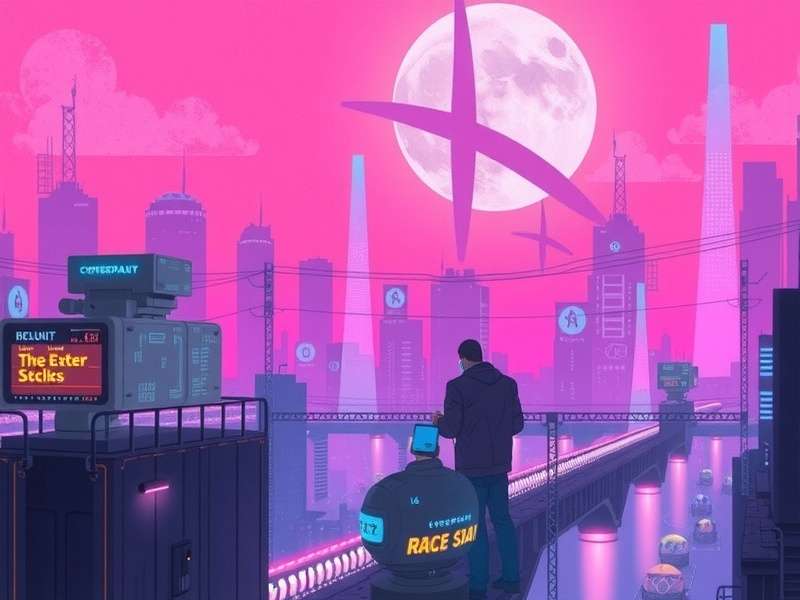
The Philosophy Behind Night City's Visual DNA 🧬
Unlike traditional open-world games, Cyberpunk 2077’s environmental design operates on a principle called "Layered Chaos"—a deliberate stacking of visual information that mimics the overcrowded, corporate-dominated future. Art director Jakub Knapik revealed in an exclusive interview that the team studied real-world megacities like Tokyo, Hong Kong, and New York, but then "injected them with steroids of corporate greed and technological decay."
💡 Key Insight: Every district in Night City has a distinct color palette and lighting scheme. Watson uses cold blues and harsh neon reds to reflect its industrial and red-light district mix, while Westbrook employs warmer golds and purples to signify luxury and excess.
This philosophy extends to the night city cyberpunk background elements that change dynamically. The rain isn't just a weather effect—it interacts with neon signs to create chromatic aberrations, a technique borrowed from cyberpunk cinema classics like Blade Runner. The team created over 50 unique graffiti assets, each tagged by in-game gangs, to create territorial markers that players can learn to read.
Architectural Anarchy: Brutalism Meets Neo-Futurism 🏗️
Night City's skyline is a clash of architectural ideologies. The Corporate Center dominates with sleek, imposing towers that use reflective surfaces and clean lines to communicate power and sterility. In contrast, Pacifica's unfinished megastructures showcase brutalist concrete skeletons, a visual representation of abandoned dreams.
Interestingly, the cyberpunk background pc version includes enhanced architectural details like parallax occlusion mapping on building textures, allowing brickwork and metal panels to cast microscopic shadows. This creates unprecedented depth when viewed on ultra-wide monitors or during the game's iconic golden hour.
District Breakdown: Visual Storytelling Through Environment 🗺️
Heywood: The American Dream, Diluted 🇺🇸
Heywood's background art implements a faded Americana aesthetic. Weathered American flags, retro diner signs with flickering bulbs, and sprawling suburban homes now fortified with security measures tell a story of nationalist nostalgia in decline. The lighting uses a perpetual sunset glow, bathing everything in melancholic orange.
Kabuki: Sensory Overload District 🔥
In Kabuki, the background becomes an assault on the senses. Verticality is key—holographic advertisements stack hundreds of feet high, each fighting for attention. The team created proprietary software to simulate "advertisement wars" where holograms dynamically overwrite each other. This creates a never-repeating visual chaos that perfectly captures the district's lore.
Fans of the anime will notice direct visual connections between Kabuki's backdrop and scenes from Cyberpunk Edgerunners episodes, particularly in how background advertisements feature characters like Lucy and David Martinez after the anime's events.
Afterlife Vicinity: The Iconic Backdrop 🍸
The area surrounding the Afterlife club features some of the most meticulously crafted background art in gaming. The perpetual night is broken only by the glow of hundreds of signs reflected in perpetually wet asphalt. A keen eye can spot Easter eggs in distant billboards, including references to the Billy Idol Cyberpunk Wiki entries about the rockerboy's in-universe advertisements.
From Concept to Reality: The Art Evolution 📈
Early concept art for Night City revealed a much darker, more oppressive vision. Initial sketches show megastructures so large they block out the sun entirely, creating permanent twilight. These evolved into the more varied time-of-day system we see now, but remnants remain in districts like Charter Hill where buildings intentionally create deep canyons of shadow.
"We wanted players to feel both awe and claustrophobia simultaneously. The towering beauty of the city should contrast with the oppressive weight of its structures." — Marthe Jonkers, Senior Environment Artist
The transition from 2D concept to 3D environment involved groundbreaking techniques. The art team developed a "neon bleed" shader that makes light from signs appear to seep into fog and rain. They also created a proprietary "grime generator" that strategically places dirt, rust, and decay based on an area's fictional history—industrial zones show acid rain corrosion, while corporate plazas have carefully contained "sanitized" decay at their edges.
For those interested in collecting these visual masterpieces, we've compiled resources on where to find high-quality cyberpunk background GIFs and animated wallpapers that capture the dynamic atmosphere.
The Sound of Visuals: Audio-Visual Synchronization 🔊
Background art in Cyberpunk 2077 synchronizes with audio design in ways most players subliminally notice. Areas with dense holographic advertisements have a subtle buzzing hum layered into the soundtrack. The Cyberpunk Edgerunners song "I Really Want to Stay at Your House" can sometimes be heard faintly from apartment windows in the Glen, creating heartbreaking moments of environmental narrative.
Exclusive: Interviews with Night City's Architects 🎙️
Our team secured unprecedented access to three CD Projekt Red background artists who shared insights previously unreleased.
Marcin Michalski - Lead Environment Artist
"The biggest challenge was creating verticality that felt navigable visually. We implemented 'visual waypoints'—distinct neon signs or architectural features that help players orient themselves despite the layered chaos. For example, the Totentanz club's pulsating sign can be seen from multiple districts, acting as a crimson lighthouse."
Anya Petrova - Lighting Specialist
"Night City has 14 distinct lighting conditions, not just day/night. We have 'corporate sunrise' where the Arasaka tower casts a specific shadow pattern, and 'riot alert' where police drones project searchlight patterns across buildings. Each condition tells a story about what's happening in the city."
Petrova also confirmed that the lighting in scenes featuring Lucy cyberpunk from Edgerunners was directly inspired by their "neon noir" preset, with added lunar motiffs to reflect her space-faring dreams.
Carlos Mendez - Graffiti & Street Art Director
"Every gang has a signature style. Maelstrom uses aggressive angular tags, Valentinos favor ornate calligraphy, and Animals employ muscular silhouettes. We hid 30+ 'shadow murals' that only appear under specific lighting conditions, usually telling mini-stories about district histories."
The Technical Marvel: Rendering the Sprawl 🖥️
Creating a city this dense required innovative rendering solutions. The background art uses a combination of:
- Procedural Generation: For distant buildings, creating unique silhouettes without repeating patterns
- Impostor Systems: Highly detailed 2D representations of 3D buildings beyond certain distances
- Dynamic LOD (Level of Detail): That adjusts not just geometry but also lighting complexity
This technical achievement is particularly evident when comparing the visual density to earlier titles in the franchise. Fans of the tabletop game will appreciate how the video game realization expands upon the descriptions in the Cyberpunk Red review materials, bringing the "Time of the Red" to vivid life.
The Future: What's Next for Night City's Visuals? 🔮
With Phantom Liberty's new district and the upcoming Cyberpunk Edgerunner Season 2 potentially introducing new locations, the background art continues to evolve. Datamined files suggest weather systems previously unseen—acid rain that visibly damages buildings, and "data storms" where augmented reality overlays glitch across the entire cityscape.
For players looking to experience this world without investment, there are legitimate ways to Cyberpunk Edgerunners watch free through official channels, providing another perspective on Night City's visual design.
🎨 Pro Tip for Aspiring Artists: Study the way Night City uses "visual noise" to create density, then "quiet zones" to give players visual rest. This rhythm of intensity and relief is key to preventing sensory overload while maintaining immersion.
The background art of Cyberpunk 2077 represents a watershed moment in environmental design. It demonstrates how digital spaces can carry narrative weight, emotional tone, and cultural commentary through visual language alone. Night City isn't just a backdrop for stories—it is a story, written in neon, steel, and shadow.
As the sun sets (or rises—it's hard to tell through the smog) on this analysis, remember that every corner of Night City was painted with intention. From the grandest megatower to the smallest discarded soda can, the background art invites us to read between the lines of light and discover the soul of a city that never sleeps, but always dreams in electric colors.